Accendo Reliability

Your Reliability Engineering Professional Development Site

  • Home
  • About
    • Contributors
    • About Us
    • Colophon
    • Survey
  • Reliability.fm
    • Speaking Of Reliability
    • Rooted in Reliability: The Plant Performance Podcast
    • Quality during Design
    • CMMSradio
    • Way of the Quality Warrior
    • Critical Talks
    • Asset Performance
    • Dare to Know
    • Maintenance Disrupted
    • Metal Conversations
    • The Leadership Connection
    • Practical Reliability Podcast
    • Reliability Hero
    • Reliability Matters
    • Reliability it Matters
    • Maintenance Mavericks Podcast
    • Women in Maintenance
    • Accendo Reliability Webinar Series
  • Articles
    • CRE Preparation Notes
    • NoMTBF
    • on Leadership & Career
      • Advanced Engineering Culture
      • ASQR&R
      • Engineering Leadership
      • Managing in the 2000s
      • Product Development and Process Improvement
    • on Maintenance Reliability
      • Aasan Asset Management
      • AI & Predictive Maintenance
      • Asset Management in the Mining Industry
      • CMMS and Maintenance Management
      • CMMS and Reliability
      • Conscious Asset
      • EAM & CMMS
      • Everyday RCM
      • History of Maintenance Management
      • Life Cycle Asset Management
      • Maintenance and Reliability
      • Maintenance Management
      • Plant Maintenance
      • Process Plant Reliability Engineering
      • RCM Blitz®
      • ReliabilityXperience
      • Rob’s Reliability Project
      • The Intelligent Transformer Blog
      • The People Side of Maintenance
      • The Reliability Mindset
    • on Product Reliability
      • Accelerated Reliability
      • Achieving the Benefits of Reliability
      • Apex Ridge
      • Breaking Bad for Reliability
      • Field Reliability Data Analysis
      • Metals Engineering and Product Reliability
      • Musings on Reliability and Maintenance Topics
      • Product Validation
      • Reliability by Design
      • Reliability Competence
      • Reliability Engineering Insights
      • Reliability in Emerging Technology
      • Reliability Knowledge
    • on Risk & Safety
      • CERM® Risk Insights
      • Equipment Risk and Reliability in Downhole Applications
      • Operational Risk Process Safety
    • on Systems Thinking
      • The RCA
      • Communicating with FINESSE
    • on Tools & Techniques
      • Big Data & Analytics
      • Experimental Design for NPD
      • Innovative Thinking in Reliability and Durability
      • Inside and Beyond HALT
      • Inside FMEA
      • Institute of Quality & Reliability
      • Integral Concepts
      • Learning from Failures
      • Progress in Field Reliability?
      • R for Engineering
      • Reliability Engineering Using Python
      • Reliability Reflections
      • Statistical Methods for Failure-Time Data
      • Testing 1 2 3
      • The Hardware Product Develoment Lifecycle
      • The Manufacturing Academy
  • eBooks
  • Resources
    • Special Offers
    • Accendo Authors
    • FMEA Resources
    • Glossary
    • Feed Forward Publications
    • Openings
    • Books
    • Webinar Sources
    • Journals
    • Higher Education
    • Podcasts
  • Courses
    • Your Courses
    • 14 Ways to Acquire Reliability Engineering Knowledge
    • Live Courses
      • Introduction to Reliability Engineering & Accelerated Testings Course Landing Page
      • Advanced Accelerated Testing Course Landing Page
    • Integral Concepts Courses
      • Reliability Analysis Methods Course Landing Page
      • Applied Reliability Analysis Course Landing Page
      • Statistics, Hypothesis Testing, & Regression Modeling Course Landing Page
      • Measurement System Assessment Course Landing Page
      • SPC & Process Capability Course Landing Page
      • Design of Experiments Course Landing Page
    • The Manufacturing Academy Courses
      • An Introduction to Reliability Engineering
      • Reliability Engineering Statistics
      • An Introduction to Quality Engineering
      • Quality Engineering Statistics
      • FMEA in Practice
      • Process Capability Analysis course
      • Root Cause Analysis and the 8D Corrective Action Process course
      • Return on Investment online course
    • Industrial Metallurgist Courses
    • FMEA courses Powered by The Luminous Group
      • FMEA Introduction
      • AIAG & VDA FMEA Methodology
    • Barringer Process Reliability Introduction
      • Barringer Process Reliability Introduction Course Landing Page
    • Fault Tree Analysis (FTA)
    • Foundations of RCM online course
    • Reliability Engineering for Heavy Industry
    • How to be an Online Student
    • Quondam Courses
  • Webinars
    • Upcoming Live Events
    • Accendo Reliability Webinar Series
  • Calendar
    • Call for Papers Listing
    • Upcoming Webinars
    • Webinar Calendar
  • Login
    • Member Home
Home » Articles » on Product Reliability » Reliability Knowledge » Wear Out Prediction Model

by Semion Gengrinovich Leave a Comment

Wear Out Prediction Model

Wear Out Prediction Model

In the realm of mechanical engineering, the reliability and longevity of pumps are critical for numerous industrial applications. Predicting wear-out of pumps can significantly enhance maintenance strategies, reduce downtime, and optimize operational efficiency. One effective approach to predicting wear-out is by monitoring the revolutions per minute (RPM) of pumps over a large population and extended time periods. This article delves into the methodology of creating a wear-out prediction model based on RPM measurements.

Understanding Pump Wear-Out

Pump wear-out is a gradual process influenced by various factors, including mechanical stress, fluid dynamics, and operational conditions. Over time, components such as bearings, seals, and impellers degrade, leading to reduced performance and eventual failure. By monitoring RPM, we can gather valuable data to predict when a pump is likely to fail, allowing for proactive maintenance.

Developing the Wear-Out Prediction Model

1. Data Collection

The first step involves collecting RPM data from a large population of pumps. This data should be gathered continuously over an extended period to capture the full operational lifecycle of the pumps. Key data points include:

– RPM readings at regular intervals

– Operational hours of the pump

– Maintenance records detailing any repairs or replacements

– Environmental conditions such as temperature and pressure

2. Data Analysis

Once the data is collected, the next step is to analyze it to identify trends and patterns. Statistical methods and machine learning algorithms can be employed to process the data. Key analysis techniques include:

– Time-Series Analysis: This helps in understanding how RPM changes over time and identifying any cyclical patterns.

– Regression Analysis: This can be used to correlate RPM variations with wear-out indicators.

– Anomaly Detection: Machine learning models can detect unusual RPM patterns that may indicate impending failures.

3. Model Development

Based on the analysis, a predictive model can be developed. This model should be capable of forecasting the remaining useful life (RUL) of the pump based on current and historical RPM data. Commonly used models include:

– Proportional Hazards Models: These models assess the risk of failure at any given time, considering the influence of RPM and other variables.

– Survival Analysis: This technique estimates the time until a pump failure occurs, based on the observed RPM data.

– Neural Networks: Advanced machine learning models like neural networks can learn complex patterns in the data and provide accurate predictions.
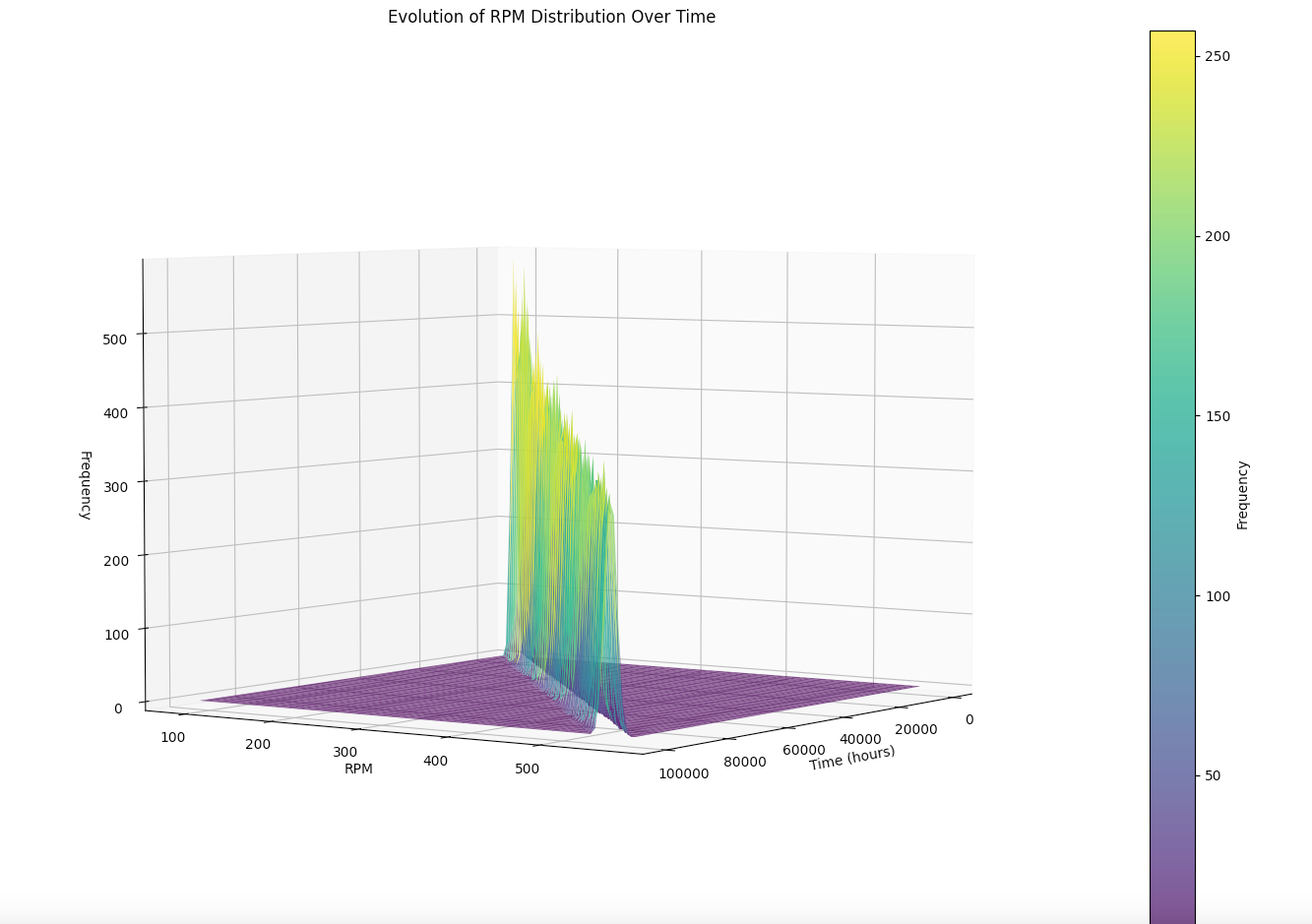
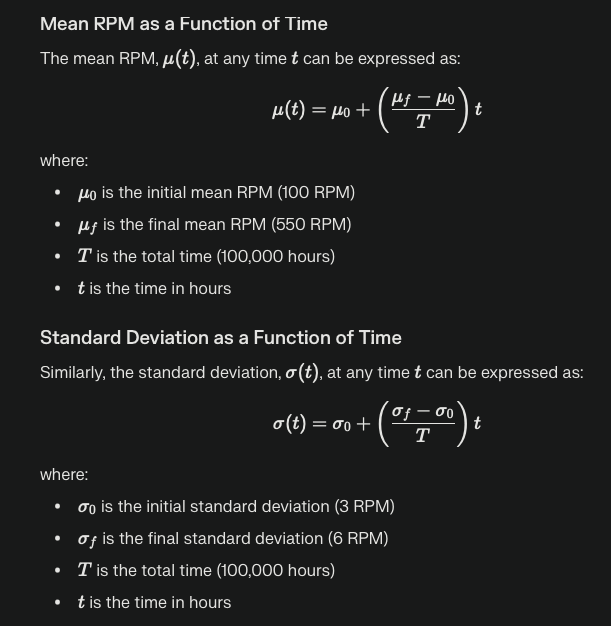
4. Model Validation

The predictive model must be validated using a separate dataset to ensure its accuracy and reliability. This involves comparing the model’s predictions with actual wear-out events and adjusting the model parameters as needed.
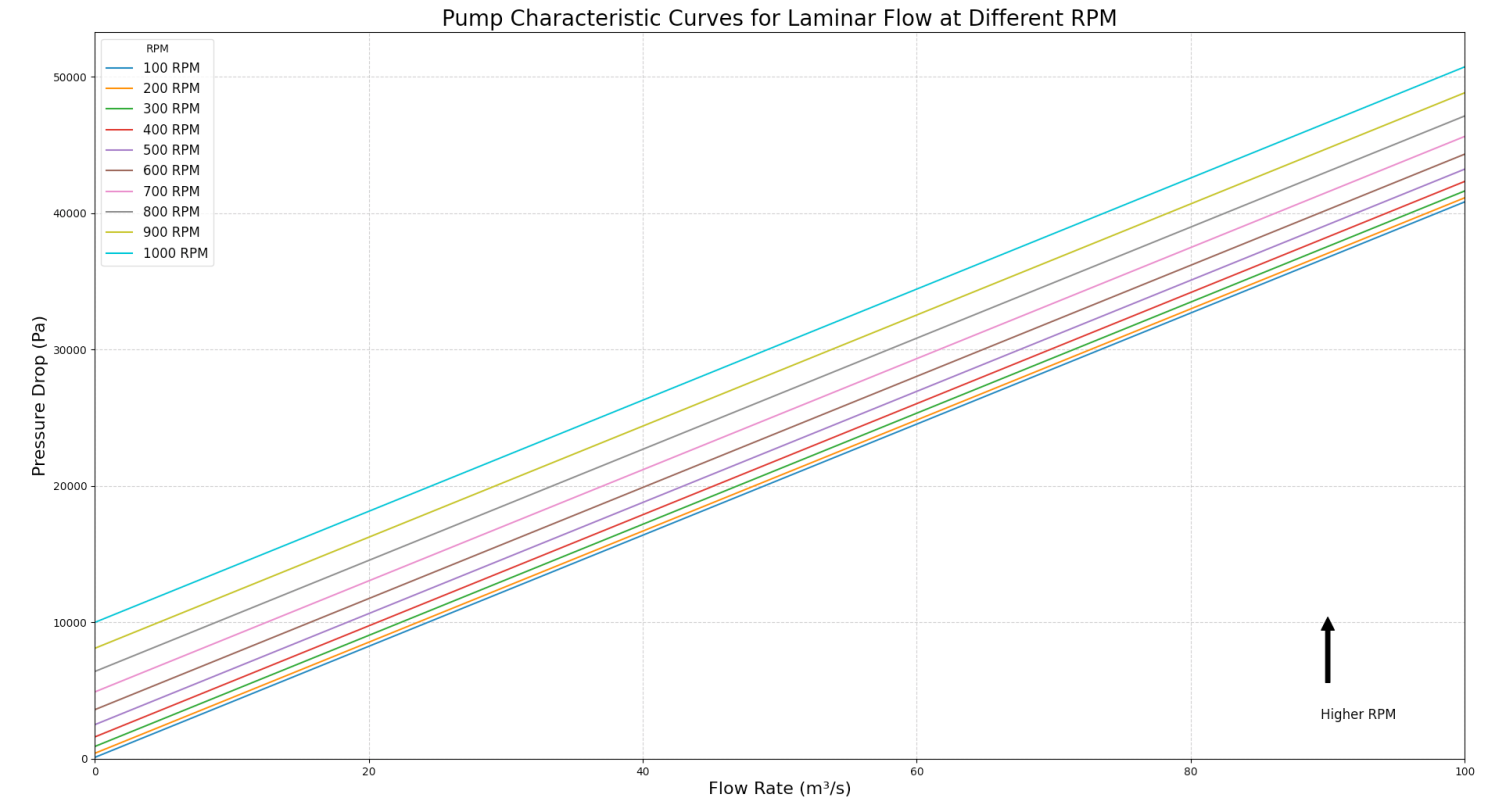
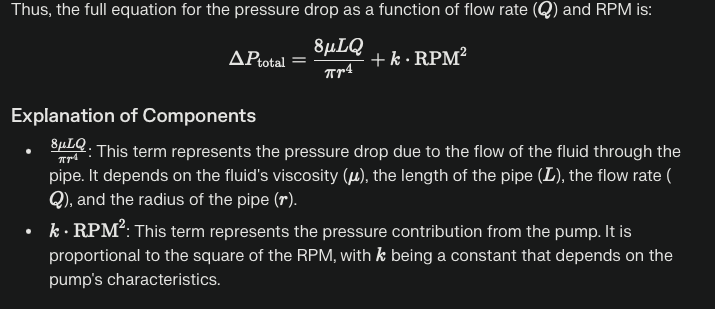
5. Implementing the Model

Once validated, the wear-out prediction model can be integrated into the maintenance management system. This allows for real-time monitoring and alerts, enabling maintenance teams to take proactive measures before a pump fails. Key implementation steps include:

– Setting Thresholds: Define RPM thresholds that trigger maintenance actions.

– Automated Alerts: Configure the system to send alerts when the model predicts an impending failure.

– Maintenance Scheduling: Use the predictions to schedule maintenance activities during planned downtimes.

Conclusion

Predicting pump wear-out using RPM measurements is a powerful approach to enhancing pump reliability and operational efficiency. By collecting and analyzing RPM data over time, we can develop robust predictive models that provide valuable insights into pump health. Implementing these models allows for proactive maintenance, reducing downtime and extending the lifespan of pumps.

As we continue to advance in data analytics and machine learning, the accuracy and reliability of wear-out prediction models will only improve, making them an indispensable tool in the maintenance engineer’s toolkit.


Filed Under: Articles, on Product Reliability, Reliability Knowledge

About Semion Gengrinovich

In my current role, leveraging statistical reliability engineering and data-driven approaches to drive product improvements and meet stringent healthcare industry standards. Im passionate about sharing knowledge through webinars, podcasts and development resources to advance reliability best practices.

« Bought a House Due to Pokemon Go
Can Understanding Risk Appetite Help a Reliability Engineer’s Career? »

Leave a Reply Cancel reply

Your email address will not be published. Required fields are marked *

Reliability Knowlege series logo Photo of Semion GengrinovichArticles & Videos by Semion Gengrinovich
in the Reliability Knowledge article & video series

Recent Posts

  • Can Understanding Risk Appetite Help a Reliability Engineer’s Career?
  • Wear Out Prediction Model
  • Bought a House Due to Pokemon Go
  • Copy of Hardware Product Realization in the Age of AI
  • Equipment Maintenance Strategy 101: Match Strategy to Equipment Risk

Join Accendo

Receive information and updates about articles and many other resources offered by Accendo Reliability by becoming a member.

It’s free and only takes a minute.

Join Today

© 2026 FMS Reliability · Privacy Policy · Terms of Service · Cookies Policy

Book the Course with John
  Ask a question or send along a comment. Please login to view and use the contact form.
This site uses cookies to give you a better experience, analyze site traffic, and gain insight to products or offers that may interest you. By continuing, you consent to the use of cookies. Learn how we use cookies, how they work, and how to set your browser preferences by reading our Cookies Policy.