
Accendo Reliability

Your Reliability Engineering Professional Development Site

  • Home
  • About
    • Contributors
    • About Us
    • Colophon
    • Survey
  • Reliability.fm
    • Speaking Of Reliability
    • Rooted in Reliability: The Plant Performance Podcast
    • Quality during Design
    • Reliability 4.0
    • CMMSradio
    • Way of the Quality Warrior
    • Critical Talks
    • Asset Performance
    • Dare to Know
    • Maintenance Disrupted
    • Metal Conversations
    • The Leadership Connection
    • Practical Reliability Podcast
    • Reliability Gang
    • Reliability Hero
    • Reliability Matters
    • Reliability it Matters
    • Maintenance Mavericks Podcast
    • Women in Maintenance
    • Accendo Reliability Webinar Series
  • Articles
    • CRE Preparation Notes
      • Reliability Bites
    • NoMTBF
    • on Leadership & Career
      • Advanced Engineering Culture
      • ASQR&R
      • Engineering Leadership
      • Managing in the 2000s
      • Product Development and Process Improvement
    • on Maintenance Reliability
      • Aasan Asset Management
      • AI & Predictive Maintenance
      • Asset Management in the Mining Industry
      • CMMS and Maintenance Management
      • CMMS and Reliability
      • Conscious Asset
      • EAM & CMMS
      • Everyday RCM
      • History of Maintenance Management
      • Life Cycle Asset Management
      • Maintenance and Reliability
      • Maintenance Management
      • Plant Maintenance
      • Process Plant Reliability Engineering
      • RCM Blitz®
      • ReliabilityXperience
      • Rob’s Reliability Project
      • The Intelligent Transformer Blog
      • The People Side of Maintenance
      • The Reliability Crime Lab
      • The Reliability Mindset
    • on Product Reliability
      • Accelerated Reliability
      • Achieving the Benefits of Reliability
      • Apex Ridge
      • Beyond the Numbers
      • Breaking Bad for Reliability
      • Field Reliability Data Analysis
      • Metals Engineering and Product Reliability
      • Musings on Reliability and Maintenance Topics
      • Product Validation
      • Reliability by Design
      • Reliability Competence
      • Reliability Engineering Insights
      • Reliability in Emerging Technology
      • Reliability Knowledge
    • on Risk & Safety
      • CERM® Risk Insights
      • Equipment Risk and Reliability in Downhole Applications
      • Operational Risk Process Safety
    • on Systems Thinking
      • The RCA
      • Communicating with FINESSE
    • on Tools & Techniques
      • Big Data & Analytics
      • Experimental Design for NPD
      • Innovative Thinking in Reliability and Durability
      • Inside and Beyond HALT
      • Inside FMEA
      • Institute of Quality & Reliability
      • Integral Concepts
      • Learning from Failures
      • Progress in Field Reliability?
      • R for Engineering
      • Reliability Engineering Using Python
      • Reliability Reflections
      • Statistical Methods for Failure-Time Data
      • Testing 1 2 3
      • The Hardware Product Develoment Lifecycle
      • The Manufacturing Academy
  • eBooks
  • Resources
    • Special Offers
    • Accendo Authors
    • FMEA Resources
    • Glossary
    • Feed Forward Publications
    • Openings
    • Books
    • Webinar Sources
    • Journals
    • Higher Education
    • Podcasts
  • Courses
    • Your Courses
    • 14 Ways to Acquire Reliability Engineering Knowledge
    • Live Courses
      • Introduction to Reliability Engineering & Accelerated Testings Course Landing Page
      • Advanced Accelerated Testing Course Landing Page
    • Integral Concepts Courses
      • Reliability Analysis Methods Course Landing Page
      • Applied Reliability Analysis Landing Page
      • Statistics, Hypothesis Testing, & Regression Modeling Course Landing Page
      • Measurement System Assessment Course Landing Page
      • SPC & Process Capability Course Landing Page
      • Design of Experiments Course Landing Page
    • The Manufacturing Academy Courses
      • An Introduction to Reliability Engineering
      • Reliability Engineering Statistics
      • An Introduction to Quality Engineering
      • Quality Engineering Statistics
      • FMEA in Practice
      • Process Capability Analysis course
      • Root Cause Analysis and the 8D Corrective Action Process course
      • Return on Investment online course
    • Industrial Metallurgist Courses
    • FMEA courses Powered by The Luminous Group
      • FMEA Introduction
      • AIAG & VDA FMEA Methodology
    • Barringer Process Reliability Introduction
      • Barringer Process Reliability Introduction Course Landing Page
    • Fault Tree Analysis (FTA)
    • Foundations of RCM online course
    • Reliability Engineering for Heavy Industry
    • How to be an Online Student
    • Quondam Courses
  • Webinars
    • Upcoming Live Events
    • Accendo Reliability Webinar Series
  • Calendar
    • Call for Papers Listing
    • Upcoming Webinars
    • Webinar Calendar
  • Login
    • Member Home
Home » Articles » on Product Reliability » Reliability Knowledge » Under Pressure

by Semion Gengrinovich Leave a Comment

Under Pressure

Under Pressure

On March 3, 1974, Turkish Airlines Flight 981 took off from Orly International Airport in Paris on its way to London’s Heathrow Airport with 346 people on board. After taking off under good flight conditions, the DC-10 jet was cleared to ascend. At 11,000 feet, the rear cargo door opened and detached from the aircraft. The pressure difference between the passenger and cargo areas caused the cabin floor to buckle, trapping the pitch controls in the nose-down position. A minute later the plane crashed in a forest near the town of Senlis, France. There were no survivors.
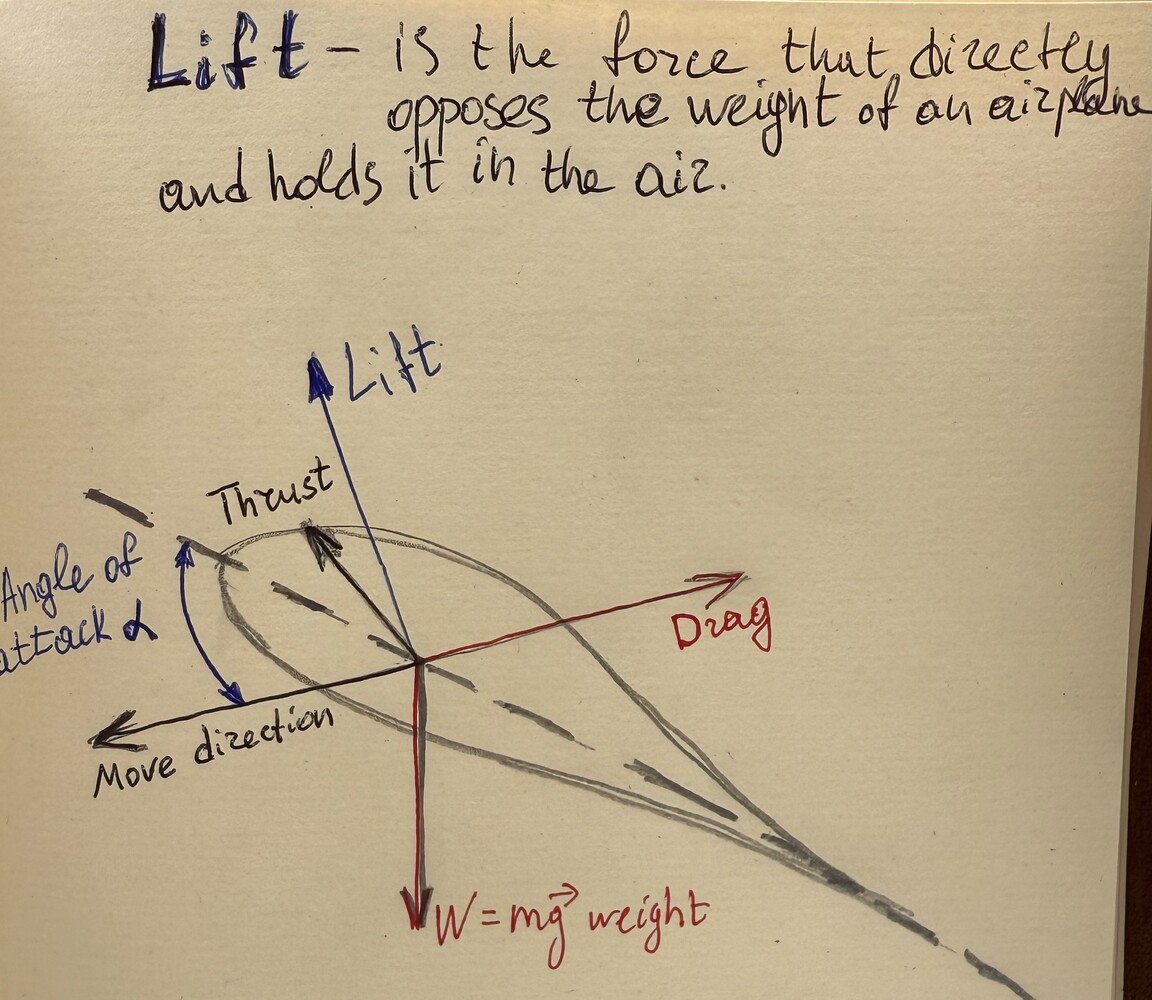
A hand-drawn diagram illustrating the forces acting on an airplane in flight, including lift, weight, thrust, and drag.

Aircraft passenger doors ordinarily open inward to allow pressurization to hold them in place, but cargo doors almost universally open outward for ease of loading. The DC-10’s cargo door was designed with an electric motor that would first close the door and then drive latches to an over-center position. Ground crews would then move a manual lever that locked the over-center latches. In flight, pressurization forces the latches further closed.

A few years earlier, a problem in the design had been noted when ground crews forced the locking lever shut, breaking the mechanism and defeating the door-sensing system. Modifications were recommended, including reinforcement of the mechanism and installation of inspection windows so latch positions could be verified prior to flight.

The Turkish Airlines jet had only the inspection window installed and not the locking mechanism reinforced. Normally both a ground engineer and flight engineer checked the cargo doors, but on the day of the crash there was no ground engineer and the plane’s flight engineer did not check the door.

Soon after the crash, the Federal Aviation Administration changed aircraft certification rules. Required venting now enables all wide-body aircraft to withstand a pressure differential between the cabin and cargo hold.


Filed Under: Articles, on Product Reliability, Reliability Knowledge

About Semion Gengrinovich

In my current role, leveraging statistical reliability engineering and data-driven approaches to drive product improvements and meet stringent healthcare industry standards. Im passionate about sharing knowledge through webinars, podcasts and development resources to advance reliability best practices.

« Are Your Reliability Engineering Technical Skills Good Enough?

Leave a Reply Cancel reply

Your email address will not be published. Required fields are marked *

Reliability Knowlege series logo Photo of Semion GengrinovichArticles & Videos by Semion Gengrinovich
in the Reliability Knowledge article & video series

Recent Posts

  • Under Pressure
  • Are Your Reliability Engineering Technical Skills Good Enough?
  • The “Human Error” Trap
  • Principles For Climate Related Risk
  • Understanding Asset Portfolio Management in Asset Management

Join Accendo

Receive information and updates about articles and many other resources offered by Accendo Reliability by becoming a member.

It’s free and only takes a minute.

Join Today

© 2026 FMS Reliability · Privacy Policy · Terms of Service · Cookies Policy

Book the Course with John
  Ask a question or send along a comment. Please login to view and use the contact form.
This site uses cookies to give you a better experience, analyze site traffic, and gain insight to products or offers that may interest you. By continuing, you consent to the use of cookies. Learn how we use cookies, how they work, and how to set your browser preferences by reading our Cookies Policy.
