
On November 24, 2000, PacifiCorp experienced a massive generator failure at its Hunter Power Plant in Castle Dale, Utah. Post-event inspection of the generator revealed a serious failure of the stator core—a cylindrical structure nearly 19 feet long and more than 16 feet across—which had partially melted. At the time, the generator was operating at its maximum capacity of 415 megawatts. Sparks and heavy arcing were observed before the unit tripped automatically, shutting the system down within 55 minutes.
Understanding this unprecedented event became of major importance. It was eventually learned that three narrow wormhole-like tunnels had melted along the lengthwise axis of the stator of the generator, resulting in some 200 pounds of molten metal flowing out over the end of the stator core. An electric generator is a device that converts mechanical energy to electrical energy via electromagnetic induction—a process that contributed to this unusual occurrence.
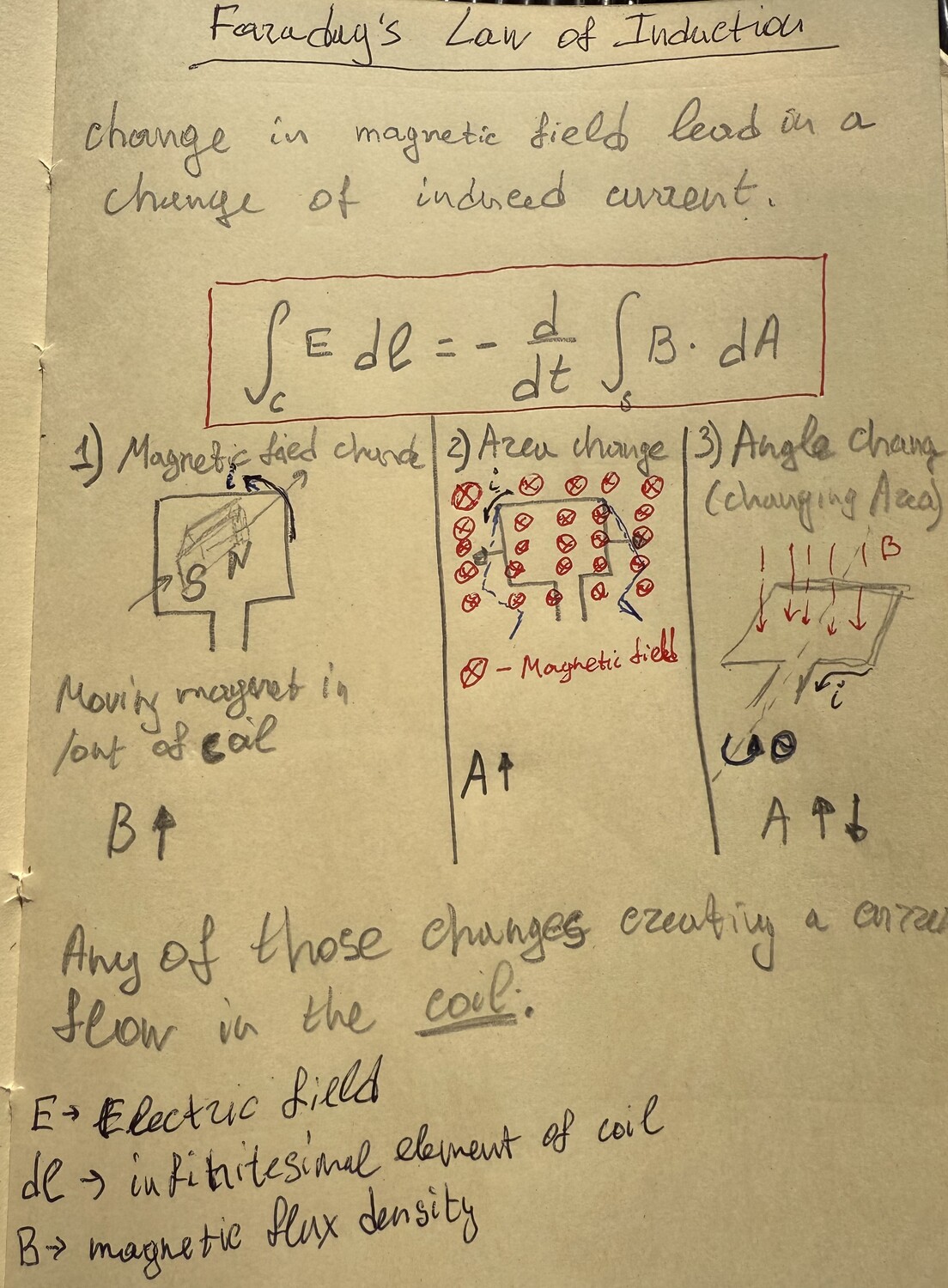
It was determined that a small inter-laminar short grew into a major melt zone that triggered two other melt areas caused by intense over-fluxing of the stator core. The resulting induction heating was sustained enough to melt the steel laminations. Continuous melting can only be directed via maximum magnetic coupling—which is in the circumferential direction—resulting in melt growth in the axial direction along the 19-foot length of the core.
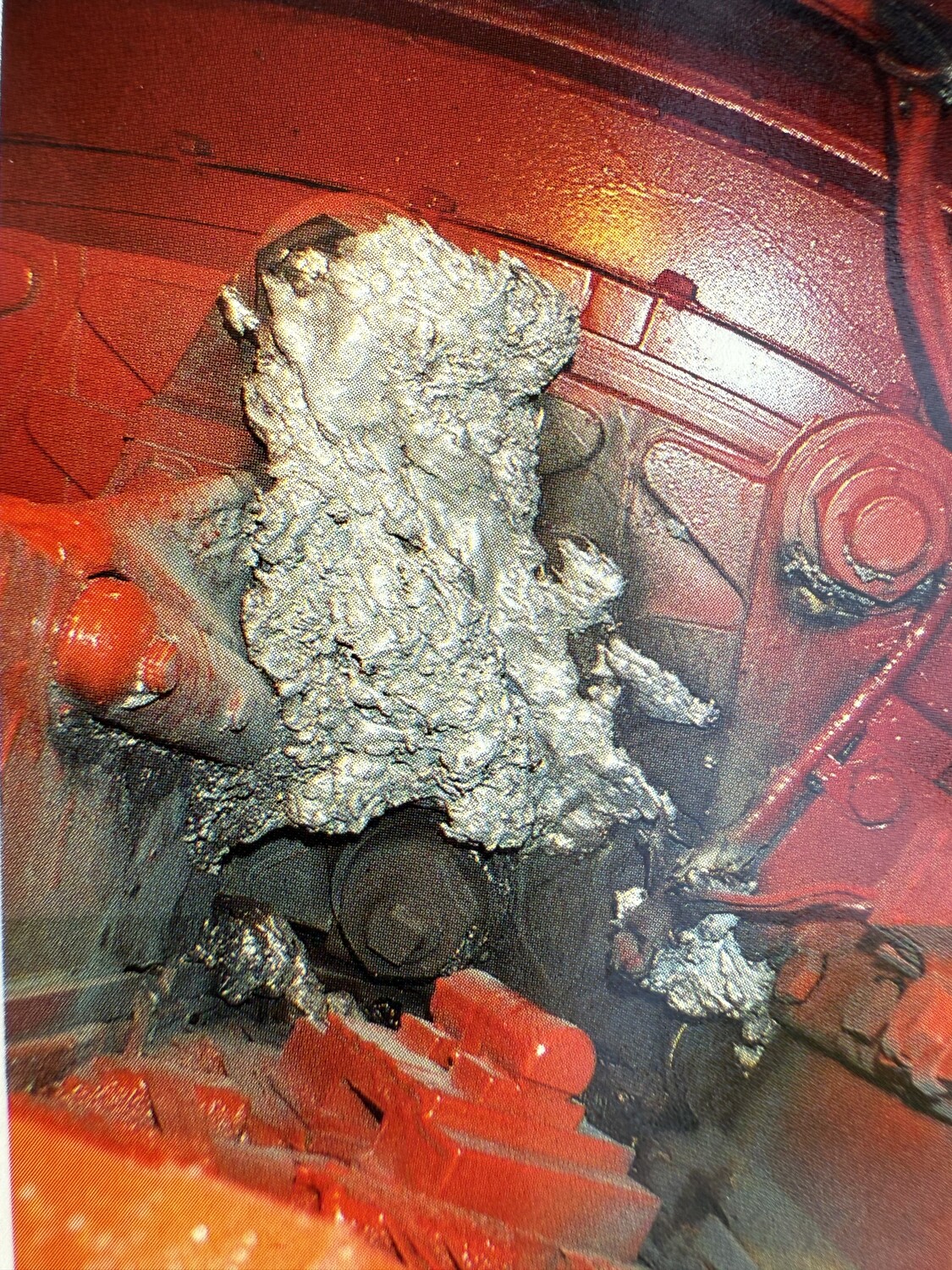
Core damage was so extensive that an intense, round-the-clock six-month outage was required to completely rebuild the generator stator core—an expensive process at a time when replacement energy costs were high as a result of California’s energy crisis.



Leave a Reply