RCAs often get marked complete, but teams don’t know whether the investigation was actually effective.
Actions are assigned and work moves on, yet the investigation team rarely sees whether conclusions held up, whether actions prevented recurrence, or whether the same failure quietly showed up somewhere else.
Getting to the Root Cause
The constraint isn’t knowledge. It’s feedback.
In many organizations, RCA work is finished, filed, and forgotten. Teams rarely see:
- Which corrective actions actually prevented recurrence
- Which causes showed up again six months later
- Which investigations led to meaningful change
Without that feedback loop, RCA becomes a one-way process. Teams don’t sharpen their thinking because nothing tells them whether it worked.
High-performing programs close that loop intentionally.
Corrective Action (You Can Do This Week)
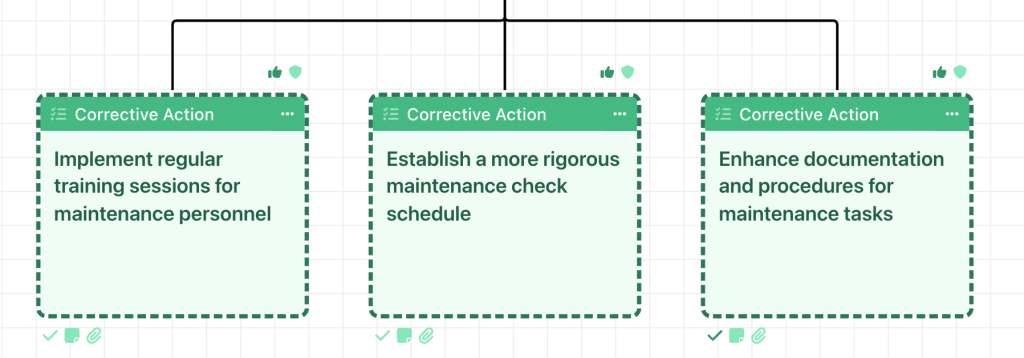
Take 10 minutes this week and pull one RCA from 6–12 months ago.
Ask these questions:
- Were the corrective actions implemented?
- Has the failure reoccured? (If yes, why wasn’t it prevented?)
- What would we do differently today?
- What can we learn from this RCA?
That single review can improve your next five RCAs!
Help If You Need It
Closing the gap from “complete” to “effective” breaks down when teams can’t easily see repeat causes, action quality, or long-term results. Learning gets lost once investigations are finished.
That’s where structure helps. Our RCA Software, EasyRCA, gives teams visibility into past investigations and patterns so effectiveness can be validated over time—not guessed. And when capability is the constraint, RCA Training helps leaders build the standards and habits that turn RCA into a learning system.



Leave a Reply