Accendo Reliability

Your Reliability Engineering Professional Development Site

  • Home
  • About
    • Contributors
    • About Us
    • Colophon
    • Survey
  • Reliability.fm
    • Speaking Of Reliability
    • Rooted in Reliability: The Plant Performance Podcast
    • Quality during Design
    • Reliability 4.0
    • CMMSradio
    • Way of the Quality Warrior
    • Critical Talks
    • Asset Performance
    • Dare to Know
    • Maintenance Disrupted
    • Metal Conversations
    • The Leadership Connection
    • Practical Reliability Podcast
    • Reliability Gang
    • Reliability Hero
    • Reliability Matters
    • Reliability it Matters
    • Maintenance Mavericks Podcast
    • Women in Maintenance
    • Accendo Reliability Webinar Series
  • Articles
    • CRE Preparation Notes
      • Reliability Bites
    • NoMTBF
    • on Leadership & Career
      • Advanced Engineering Culture
      • ASQR&R
      • Engineering Leadership
      • Managing in the 2000s
      • Product Development and Process Improvement
    • on Maintenance Reliability
      • Aasan Asset Management
      • AI & Predictive Maintenance
      • Asset Management in the Mining Industry
      • CMMS and Maintenance Management
      • CMMS and Reliability
      • Conscious Asset
      • EAM & CMMS
      • Everyday RCM
      • History of Maintenance Management
      • Life Cycle Asset Management
      • Maintenance and Reliability
      • Maintenance Management
      • Plant Maintenance
      • Process Plant Reliability Engineering
      • RCM Blitz®
      • ReliabilityXperience
      • Rob’s Reliability Project
      • The Intelligent Transformer Blog
      • The People Side of Maintenance
      • The Reliability Crime Lab
      • The Reliability Mindset
    • on Product Reliability
      • Accelerated Reliability
      • Achieving the Benefits of Reliability
      • Apex Ridge
      • Beyond the Numbers
      • Breaking Bad for Reliability
      • Field Reliability Data Analysis
      • Metals Engineering and Product Reliability
      • Musings on Reliability and Maintenance Topics
      • Product Validation
      • Reliability by Design
      • Reliability Competence
      • Reliability Engineering Insights
      • Reliability in Emerging Technology
      • Reliability Knowledge
    • on Risk & Safety
      • CERM® Risk Insights
      • Equipment Risk and Reliability in Downhole Applications
      • Operational Risk Process Safety
    • on Systems Thinking
      • The RCA
      • Communicating with FINESSE
    • on Tools & Techniques
      • Big Data & Analytics
      • Experimental Design for NPD
      • Innovative Thinking in Reliability and Durability
      • Inside and Beyond HALT
      • Inside FMEA
      • Institute of Quality & Reliability
      • Integral Concepts
      • Learning from Failures
      • Progress in Field Reliability?
      • R for Engineering
      • Reliability Engineering Using Python
      • Reliability Reflections
      • Statistical Methods for Failure-Time Data
      • Testing 1 2 3
      • The Hardware Product Develoment Lifecycle
      • The Manufacturing Academy
  • eBooks
  • Resources
    • Special Offers
    • Accendo Authors
    • FMEA Resources
    • Glossary
    • Feed Forward Publications
    • Openings
    • Books
    • Webinar Sources
    • Journals
    • Higher Education
    • Podcasts
  • Courses
    • Your Courses
    • 14 Ways to Acquire Reliability Engineering Knowledge
    • Live Courses
      • Introduction to Reliability Engineering & Accelerated Testings Course Landing Page
      • Advanced Accelerated Testing Course Landing Page
    • Integral Concepts Courses
      • Reliability Analysis Methods Course Landing Page
      • Applied Reliability Analysis Landing Page
      • Statistics, Hypothesis Testing, & Regression Modeling Course Landing Page
      • Measurement System Assessment Course Landing Page
      • SPC & Process Capability Course Landing Page
      • Design of Experiments Course Landing Page
    • The Manufacturing Academy Courses
      • An Introduction to Reliability Engineering
      • Reliability Engineering Statistics
      • An Introduction to Quality Engineering
      • Quality Engineering Statistics
      • FMEA in Practice
      • Process Capability Analysis course
      • Root Cause Analysis and the 8D Corrective Action Process course
      • Return on Investment online course
    • Industrial Metallurgist Courses
    • FMEA courses Powered by The Luminous Group
      • FMEA Introduction
      • AIAG & VDA FMEA Methodology
    • Barringer Process Reliability Introduction
      • Barringer Process Reliability Introduction Course Landing Page
    • Fault Tree Analysis (FTA)
    • Foundations of RCM online course
    • Reliability Engineering for Heavy Industry
    • How to be an Online Student
    • Quondam Courses
  • Webinars
    • Upcoming Live Events
    • Accendo Reliability Webinar Series
  • Calendar
    • Call for Papers Listing
    • Upcoming Webinars
    • Webinar Calendar
  • Login
    • Member Home
Home » Articles » on Product Reliability » Reliability Knowledge » Making Thrills Safer

by Semion Gengrinovich Leave a Comment

Making Thrills Safer

Making Thrills Safer

The Evolution of Today’s Roller Coasters

How safe is the modern roller coaster? Media attention to amusement park injuries and fatalities have led to concerns about passenger safety and potential brain injuries resulting from faster, more complex rides that may cause greater stress on the rider.

West European ice slides, popular in the 16th and 17th centuries, are the earliest ancestors of the present-day roller coaster. Ice blocks were fashioned into sleds, and sand created friction to slow down the sled at the end of the ride. As popularity increased, wooden sleds were built with iron runners to increase the speed and intensity of the ride.

The first roller coaster with a train attached to a track was built in 1817. In the mid-1800s, a Pennsylvania train was originally constructed as a coal transportation system but became an attraction for visitors willing to pay one dollar to ride it. In 1875 Coney Island was opened and the first under-friction roller coaster was introduced there later in 1912. This design held the coaster train on the track and allowed for more speed, steeper hills, and less drag.

The opening of Disneyland in 1955 increased the popularity of roller coasters and introduced improvements in their design. Until then coasters had been built out of wood, which limited the way loops could be handled, but in 1959 Disney introduced the Matterhorn, the first tubular steel coaster. Ever since, people have wanted faster, more thrilling rides, pushing the limits of design to provide extreme adventures for their passengers. With these improvements, concern for safety became paramount.
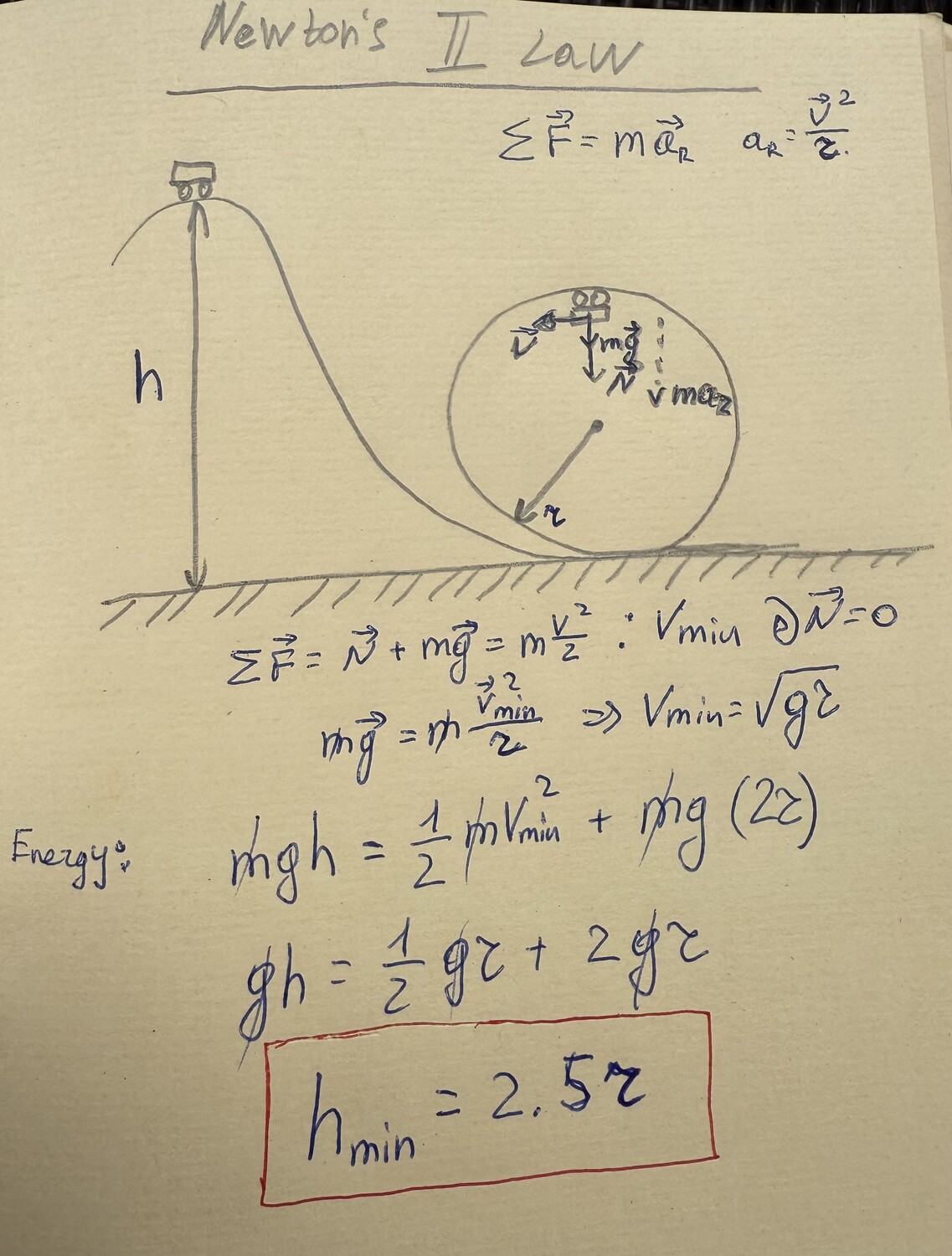
Compared to the sustained forces astronauts or fighter pilots experience, the G-forces coasters exert are brief. Roller coaster riders experience both “weightlessness” and elevated G-forces during the course of a ride, which gives roller coasters their unique and exhilarating feel in a safe and controlled environment. Even though new coaster designs provide faster and more complex experiences for their riders, accelerations and G-forces have remained relatively constant and within tolerable levels.

Filed Under: Articles, on Product Reliability, Reliability Knowledge

About Semion Gengrinovich

In my current role, leveraging statistical reliability engineering and data-driven approaches to drive product improvements and meet stringent healthcare industry standards. Im passionate about sharing knowledge through webinars, podcasts and development resources to advance reliability best practices.

« Coming Robot – Apocalypse
MTBF: According to a Component Supplier »

Leave a Reply Cancel reply

Your email address will not be published. Required fields are marked *

Reliability Knowlege series logo Photo of Semion GengrinovichArticles & Videos by Semion Gengrinovich
in the Reliability Knowledge article & video series

Recent Posts

  • The Top Ten Ways to Express Asset Value
  • Reliability in Projects – Timing, Trade-offs and Influence
  • MTBF: According to a Component Supplier
  • Making Thrills Safer
  • Coming Robot – Apocalypse

Join Accendo

Receive information and updates about articles and many other resources offered by Accendo Reliability by becoming a member.

It’s free and only takes a minute.

Join Today

© 2026 FMS Reliability · Privacy Policy · Terms of Service · Cookies Policy

Book the Course with John
  Ask a question or send along a comment. Please login to view and use the contact form.
This site uses cookies to give you a better experience, analyze site traffic, and gain insight to products or offers that may interest you. By continuing, you consent to the use of cookies. Learn how we use cookies, how they work, and how to set your browser preferences by reading our Cookies Policy.
