
One of the biggest challenges in Continuous Improvement isn’t solving the problem. Understanding and applying CI methodologies effectively is often where teams struggle most.

Every day, manufacturing teams play detective using tools from the CI toolbox. A machine suddenly slows down – RCA. A defect appears that wasn’t there yesterday – Defect handling. Downtime increases – pass down escalation. Customer complaints begin arriving – LSS.
It’s choosing the right CI methodology to solve it.
Too often organizations jump directly into:
- Kaizen events
- 5S programs (5S)
- TPM activities (TPM)
- Six Sigma projects (SS)
- Value Stream Mapping (VSM)
- Root Cause Analysis (RCA)
- Post-mortem Breakdown Analysis (BDA)
… without first asking:
“Is this the right tool for the problem we’re trying to solve?”
The question isn’t whether a problem exists.
The question is:
Which tool should you use to uncover the truth?
Just like a detective doesn’t use the same tool for every investigation, Continuous Improvement professionals need different tools depending on the clues available.
Let’s look at how we synthesize the CI methodologies in our reliability crime lab to find the clues that solve the case…
The Magnifying Glass: Gemba Walks
The first step in any investigation is observation.

Let’s go to the Gemba to observe the process.
Watch the machine.
Observe the operator.
Listen to the equipment.
Many problems reveal themselves before a single chart or report is opened.
Best used when:
- A new problem appears
- Operators report unusual conditions
- You suspect process drift
The Fingerprint Kit: Defect Cards

Detectives collect evidence.
Manufacturing teams should do the same.
Defect cards capture:
- What was observed
- Where it occurred
- When it occurred
- How often it occurs
- How large is the issue (magnitude or severity)
Without evidence, every discussion becomes an opinion.
Best used when:
- Problems are recurring
- Different shifts report different stories
- Teams cannot agree on the facts
The Microscope: Root Cause Analysis (RCA)
A symptom is not a cause, it’s a fingerprint.
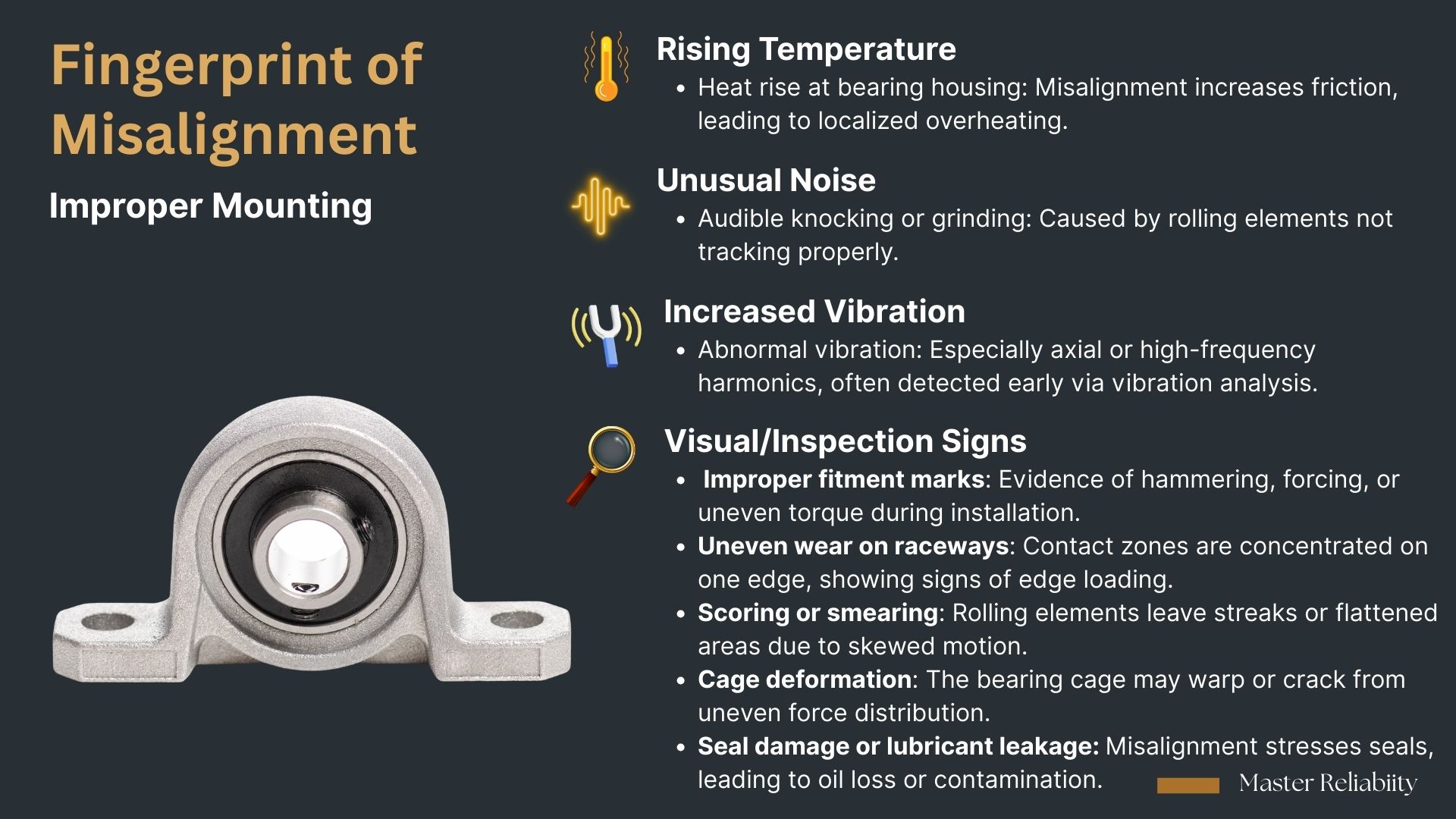
RCA helps teams move beyond:
“The bearing failed.”
to
“The bearing failed because contamination entered through a damaged seal.”
The goal is to eliminate recurrence, not simply restore operation.
Best used when:
- Failures repeat
- Downtime is significant
- Customer impact exists
The Crime Scene Timeline: Pass Downs
Many manufacturing mysteries persist because information disappears between shifts.
An effective pass-down system creates a timeline of events.
When did the problem begin?
Who observed it?
What actions were taken?
Good pass downs reduce repeated troubleshooting and accelerate problem solving.
Best used when:
- Multiple shifts are involved
- Problems evolve over time
- Communication gaps exist
The Evidence Board: War Rooms
Detectives pin clues to a wall.
Manufacturing teams should visualize problems the same way.
War rooms help teams track:
- Open issues
- Assigned owners
- Due dates
- Progress toward resolution
What is visible gets attention.
Best used when:
- Multiple problems compete for resources
- Teams need accountability
- Improvement efforts stall
The Forensics Lab: Data Analysis
Sometimes the answer is hidden in the numbers.
Simple tools such as:
- Mean
- Range
- Pareto charts
- Trend charts
can reveal patterns invisible to the naked eye.
Before running complex analysis, ask:
What is the data trying to tell me?
Best used when:
- Patterns are unclear
- Performance varies over time
- Decisions require evidence
Final Thought
The best Continuous Improvement professionals are trained detectives.
They know which tool to use, when to use it, and how to follow the evidence wherever it leads.
Every problem leaves clues.
The challenge is learning how to see them.
The CI Toolbox Wizard
At Master reliability, we understand that surfing through the numerous CI methodologies to determine which one to use for a particular project can be a daunting task.
We need to use the tools and not let the tools use us.
In order to do that,
We created The Best CI Methodology Wizard which helps users identify the most effective Continuous Improvement methodology for the problem they are trying to solve.
See the wizard in action, please follow:
https://www.masterreliability.com/best-ci-methodology-wizard
Check out our other articles: The Curious Case of “Normal” Bearing Failure – Accendo Reliability



Leave a Reply