Precision Maintenance May Be The Key To Unlocking Reliability
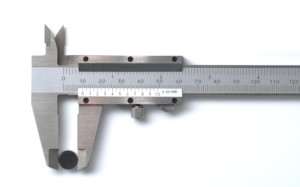 Why is it that some individuals perform a PM Routine and always find something and others don’t? And why is that when some individuals perform a rebuild or overhaul, the equipment struggles to start and return to steady state? The answer comes down to how detailed the individuals are during the maintenance activity. But how can this be overcome with such a wide range of individuals in the maintenance team? The answer is precision maintenance [Read more…]